Board of Directors
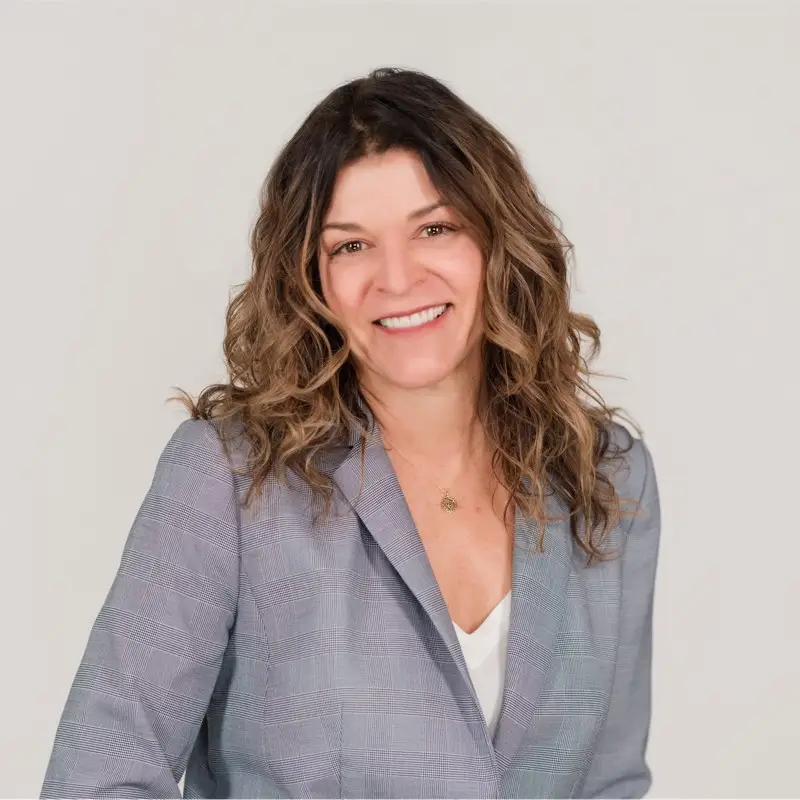
Stephanie Campbell MA, MS, MSW (Stephentown, NY)
Co-President
Stephanie Campbell is a longtime public health and recovery advocate who began her work with ACT-UP in 1989, fighting health discrimination and advancing harm reduction. She later led policy efforts at Friends of Recovery—New York, helping individuals and families affected by substance use. A person in sustained recovery, she created New York’s first-in-the-nation CHAMP ombudsman office to expand access to care. She has served as an adjunct professor at NYU, works on national harm reduction and recovery policy initiatives, and is Senior Vice President at Kent Strategic Advisors, a national drug policy firm.
Maria Pasceri
Co-President
Maria Pasceri is a distinguished leader in substance use disorder awareness, recovery support, and stigma reduction. She is committed to enhancing access to care and promoting evidence-based treatments, such as medications for opioid use disorder (MOUD). Her professional involvement includes significant contributions to community engagement, policy development, and organizational leadership. Maria has held key positions with the New York State Office of Addiction Services and Supports, where she served as Director of the Addiction Treatment Centers of New York State. In this capacity, she managed critical treatment infrastructure and led statewide initiatives to improve access to high-quality care. Additionally, as Vice President of Clinical Services at Horizon Health Services, she provided strategic leadership in delivering clinical and recovery-focused programs, furthering services that benefit individuals and families impacted by substance use disorders. She has been an active board member of Stop Stigma Now for three years and has chaired the Speakers’ Bureau. In this role, Maria has led outreach and education efforts designed to reduce stigma and raise awareness regarding Medications for Opioid Use Disorders (MOUD) and recovery. Maria holds a master’s degree in Rehabilitation Counseling from the University at Buffalo and is a retired Credentialed Rehabilitation Counselor (CRC). Her ongoing work bridges gaps between treatment, recovery services, and public perception, underscoring her commitment to compassionate, evidence-based solutions and enduring positive change for those affected by substance use disorders.
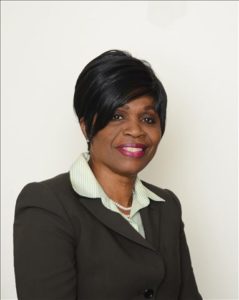
Valerie Walters. (New York, NY)
Vice President
Valerie is a highly accomplished nonprofit executive and board leader. With over 30 years of senior leadership experience, she brings deep expertise in governance, fiduciary oversight, and mission-driven organizational sustainability. Valerie is recognized for helping organizations clarify purpose, reposition strategy, and strengthen operational and financial resilience while remaining firmly aligned with their core missions.
With an MBA in Organizational Development and Management, dual bachelor’s degrees in Business Administration and Education, and a Certificate in Nonprofit Leadership, she contributes strong business acumen and governance discipline to board service. As a Certified Leadership Coach, Valerie offers valuable insight into executive leadership effectiveness, board–CEO partnerships, succession planning, and organizational culture.
Valerie currently serves as President & CEO of The Lower Eastside Service Center (LESC) and COGENCY, IPA and 1st Vice President of the Board of Trustee for STOP STIGMA NOW (SSN), providing visionary leadership and strategic oversight that advances advocacy, accountability, and long-term impact. Additional leadership roles include Member of the Advisory Board on Leadership at Mercy University, where Valerie supports the development of ethical, values-based leadership at the institutional level.
Known for balancing transformational leadership—vision, change, and innovation—with transactional leadership—structure, performance, and compliance—Valerie is a trusted board contributor who strengthens governance practices, supports executive leadership, and helps organizations thrive in complex and evolving environments.
Core Competencies: Board Governance & Fiduciary Oversight, Nonprofit Executive Leadership, Mission Alignment & Strategic Repositioning, Organizational Transformation & Change Management, Financial Sustainability & Operational Resilience, Board–CEO Partnership & Executive Support, Leadership Development & Executive Coaching, Succession Planning & Talent Development, Risk Management & Accountability, Stakeholder Engagement & Advocacy, Ethics, Inclusion & Values-Based Leadership
President & CEO
LESC
Cogency IPA
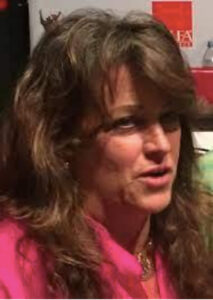
Susan Staats Combs, M.Ed, LPC, NCC, PhT. (Alabama)
Vice President
Susan Staats Combs has worked in the field of Opioid Use Treatment since December of 1993.
She has owned and operated methadone clinics and has been the President of her Alabama Methadone Association (2013-present) She has Co-served on the National AATOD Board as a Alabama Representative for many years. She has served on Alabama Governors Opioid Council since the origination (2016). She serves on the Alabama Substance Abuse Coordinating Committee appointed by the Governor, and serves on the Alabama Opioid Data, Treatment and Workforce Committees. She has worked tirelessly to help make sure persons have access to treatment and reduce stigma in Alabama. She advocates for patient rights within the judicial and medical system on regular basis to assure access and educate the systems all which saves lives. She is American Red Cross Volunteer Instructor (1984 -present) and Children’s Hospital of Alabama Volunteer (1990- present) .
Alabama Governor’s Council on Opioid Misuse and Addiction
National Stop Stigma Board
National AATOD Board
President of ALAMTA
President of Recovery Gardens
Alabama Substance Abuse Coordinating Committee
Alabama Opioid Data Committee
Alabama Opioid Treatment Committee
Alabama Opioid Workforce Committee
Owner/ Director
Shelby County Treatment Center
Chilton County Treatment Center
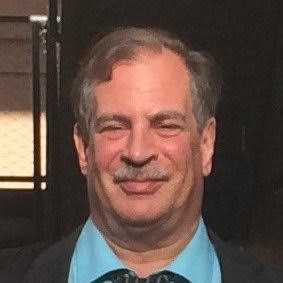
Steven Rabinowitz (New York, NY)
Secretary
Retired at the end of 2016 after 30 years of service at NY State Office of Alcoholism and Substance Abuse Services (OASAS), where he spent the last 12 years as the Director of Downstate Field Operations, and now works as Special Projects Coordinator for Argus Community, as well as an independent consultant in the addiction services field. Besides the Stop Stigma Now Board of Directors he also serves on the advisory groups for End Overdose NY and Our Jewish Recovery. He is a native of New York City.
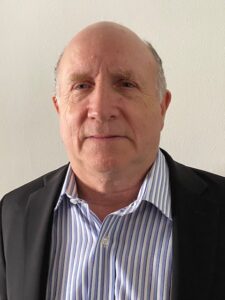
David Lichtenstein (New York)
Treasurer
Earned his BS electrical engineering at the Univ of Pennsylvania, and a master in computing science from Iona University. David worked as an electrical engineer, project manager or construction manager at Shea stadium, the World Trade Center, NY City Transit, the Jacob Javitz center and other projects. Provided technical support to SSN founder Sy Demsky, who recruited him to the Board of Directors. He coordinates logistics and materials for conference exhibitors, as well as assists with accounts payable and receivable.
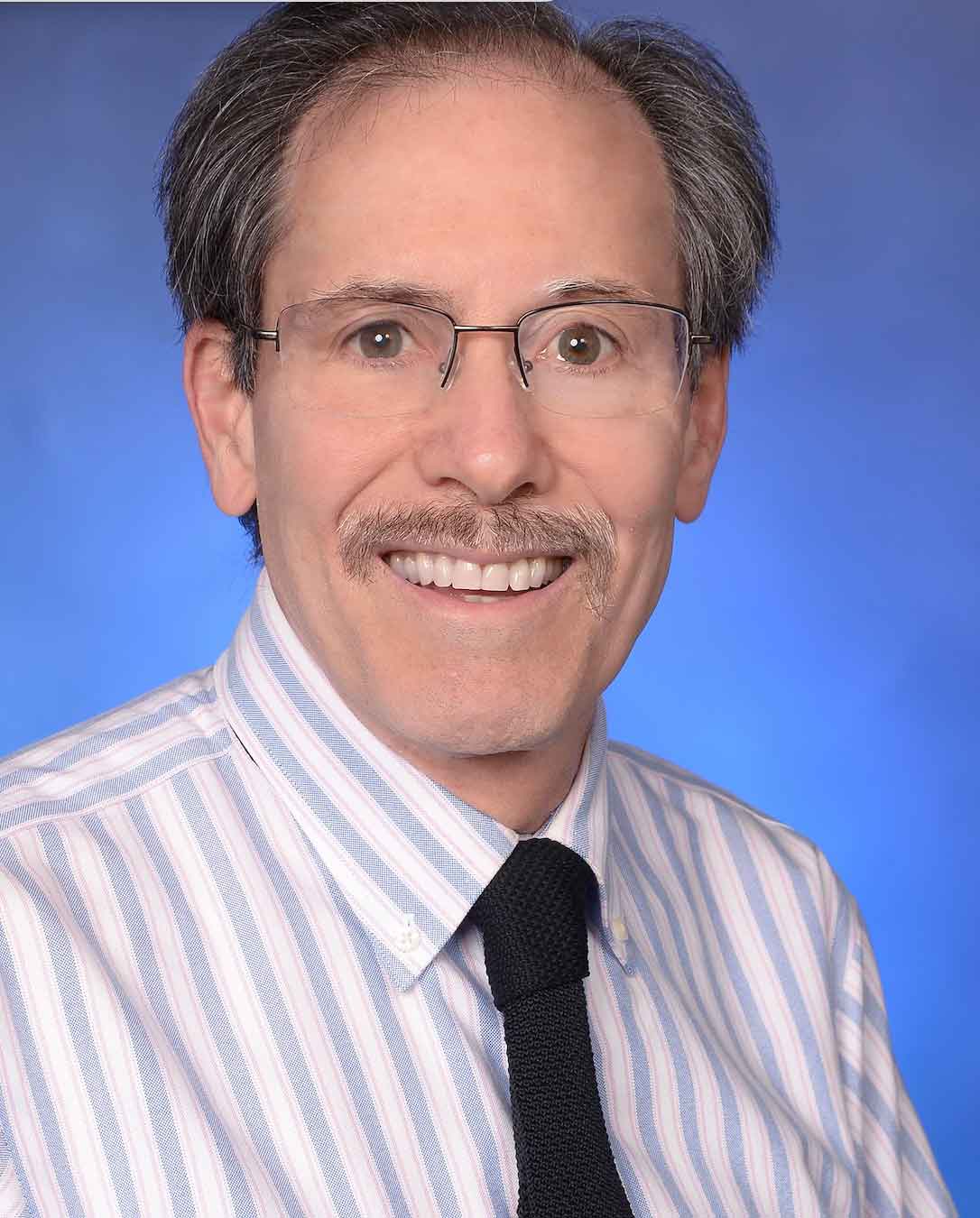
Joe Adams, MD, FASAM. (Towson, MD)
Dr. Adams has been the Chair of the Public Policy Committee of the Maryland-DC Society of Addiction Medicine (MDDCSAM) since 2018, served for three years on the ASAM (American Society of Addiction Medicine) Public Policy Committee through 2025, and has been the Chair of the MedChi Opioid, Pain and Addiction Committee (MD State Medical Society) since 2023. He is the co-Champion of ASAM’s MOUD Special Interest Group. He was the President of the Smoke Free Maryland Coalition which increased the state tobacco tax and enacted smoke-free bars and restaurants in 2008, followed by significant declines in smoking rates in Maryland. Dr. Adams earned an MD at the U. of Maryland Schl of Medicine, completed an internal medicine residency at the Johns Hopkins Bayview Medical Center, and is board certified in internal medicine and addiction medicine. He practiced primary care internal medicine until he transitioned to addiction medicine in 2013, primarily as the medical director of a number of opioid treatment programs, until retiring from clinical medicine in 2025.
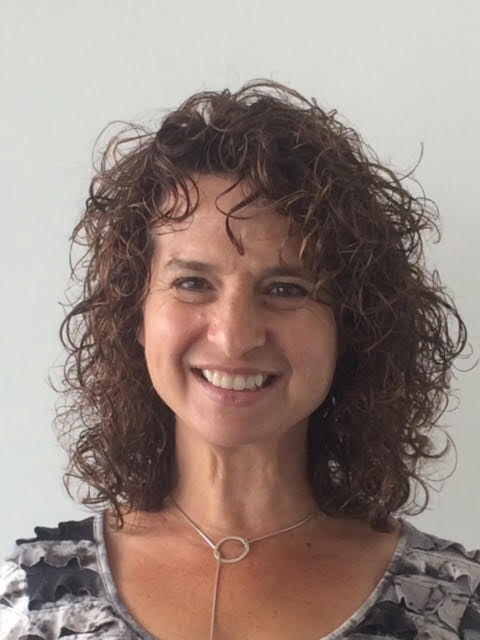
Jordana Demsky Alford (Massachusetts)
A lifelong volunteer, Jordana left behind a corporate marketing job to become a volunteer for Stop Stigma Now. She is currently on the executive board and works on marketing, fundraisers, the website and finance. She also dedicates time to many other local causes that have global reach. Jordana is a volunteer and board member for Welcome Home, a home goods pantry helping donors recycle and repurpose their home goods and works with clients to pick out items that will make their house a home (welcomehomemass.org). In addition, Jordana is on the board of directors for Temple Emanuel in Newton, MA and has led retreats and programming for the members.
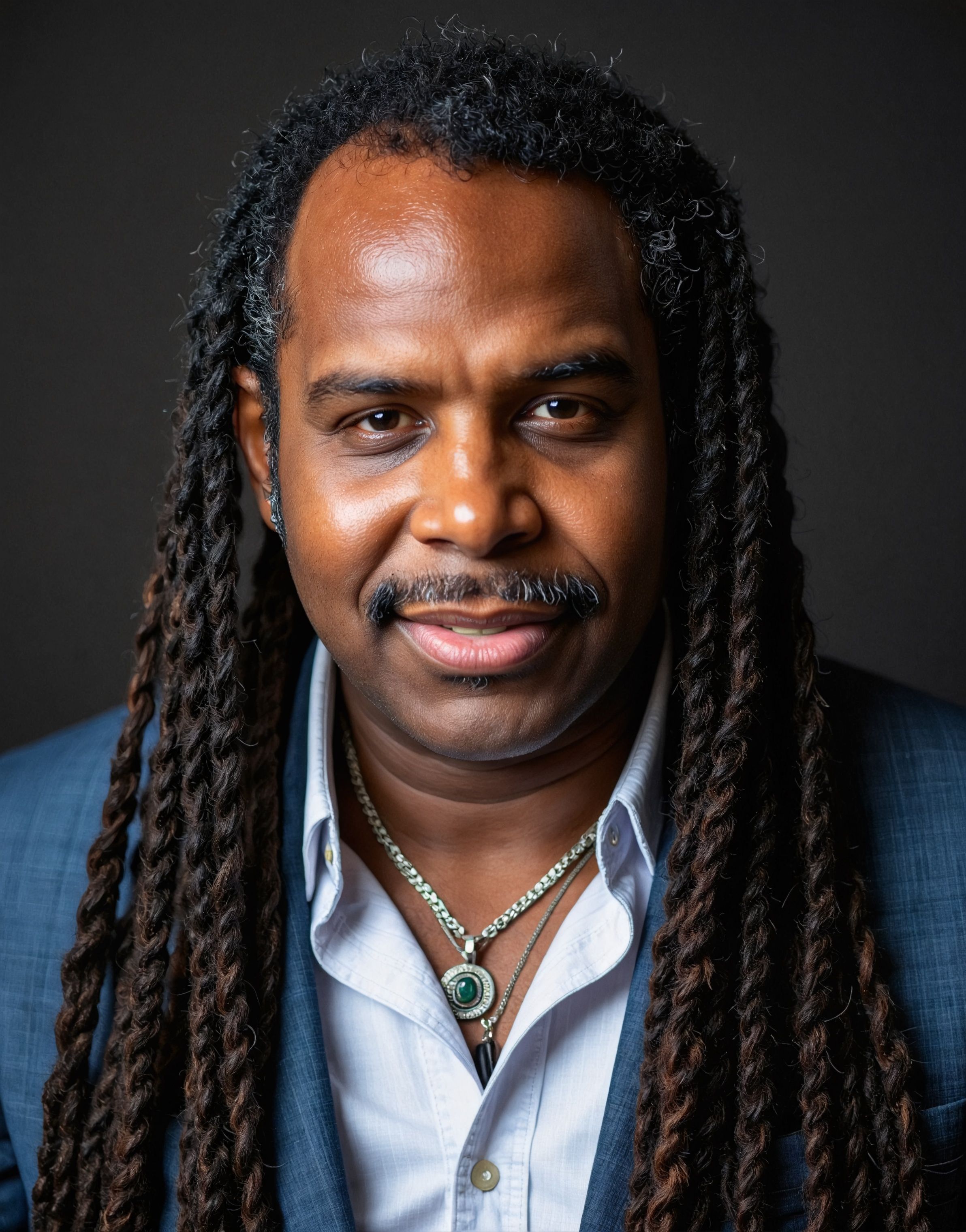
Orlando Andrews, MSLC, CARC, CPRS (Nashville, TN)
Orlando Andrews, MSLC, CARC, CPRS, is an author, systems architect, and founder of Recovery Matters®, a long-term recovery infrastructure model built on the principle that care does not end at discharge.
He brings sixteen years of personal recovery and twelve years of field experience to this work — including direct roles in treatment operations, business development, and recovery support services. His recovery is not background. It is the origin of his analysis.
Orlando developed the Recovery Beyond Discharge™ Governing Philosophy after confronting a system he once believed in and the outcomes he could no longer defend. That reckoning became the foundation of a two-volume series: When Systems Let Go, which establishes the ethical case, and The Economics of Instability, which demonstrates that what is ethically indefensible is also financially unsustainable.
His work supports Stop Stigma Now’s mission directly. Medication stigma is a structural problem — embedded in how programs are designed, how outcomes are measured, and how recovery is defined. Orlando writes and builds from the position that systems produce exactly what they are designed to produce. And that knowing better obligates us to build better.
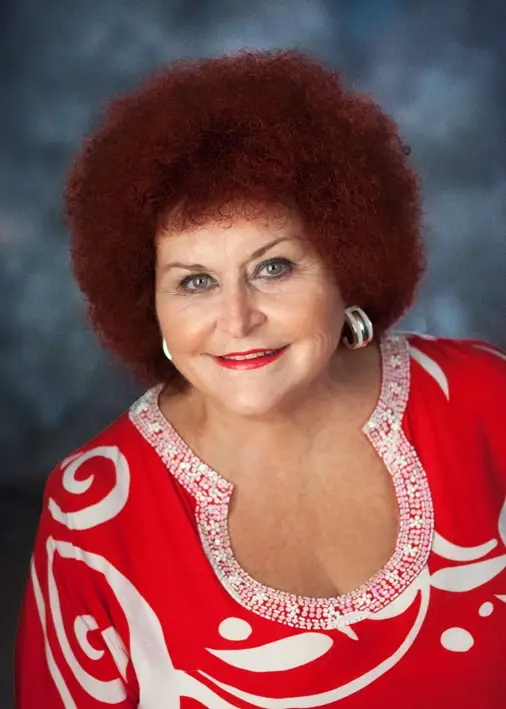
Loretta P. Finnegan, M.D., LLD (Hon.), ScD (Hon.) (Avalon, NJ)
Dr. Finnegan received her medical degree from Drexel University College of Medicine (Hahnemann) in Philadelphia, Pennsylvania followed by a pediatric residency and fellowship in neonatology at the Philadelphia General Hospital, University of Pennsylvania Division of Pregnancy, Substance Use Disorder and Neonatal Abstinence. Currently she is President of Finnegan Consulting, LLC and she does consulting on research and treatment issues relating to substance use disorders in pregnancy and the Neonatal Abstinence Syndrome. Former positions have included Executive Officer of the College on Problems of Drug Dependence, Medical Advisor to the Director, Office of Research on Women’s Health, NIH, DHHS and Professor of Pediatrics, Psychiatry and Human Behavior, founder and Former Director of Family Center, (now MATER) a landmark program that still provides comprehensive services for drug-dependent pregnant women and their children at the Sidney Kimmel Medical College at Thomas Jefferson University in Philadelphia. Dr. Finnegan is credited with the development of an assessment tool for neonatal opioid abstinence which is used widely in the USA and abroad She has authored or co-authored more than 194 scientific publications and has spoken at scientific conferences nationally and internationally in 33 countries and 47 US states. Dr. Finnegan has three honorary degrees: Doctor of Laws (Chestnut Hill College), Doctor of Science (Ursinus College), and Doctor of Science in Osteopathy (University of New England) and has received numerous awards for her clinical, research and humanitarian endeavors.
Valentin Bonilla, PA CASAC. (New York, NY)
Valentin Bonilla is a physician assistant and Credentialed Alcohol and Substance Abuse Counselor (CASAC) who recently retired from the Mount Sinai Beth Israel (MSBI) Opioid Treatment Program (OTP), which is the oldest and one of the largest OTPs in the country. He was inspired to become a PA when he heard about the program while serving as a Combat Medic in the Republic of Viet Nam. He provided medical care and addiction treatment for over 40 years in the OTP, and in the inpatient Detox and Rehab Units at the hospital. He provided clinical and administrative direction and oversight of the medical staff and education and training of all staff as the Chief PA for the last 24 years. Most recently, he was also the Opioid Overdose Prevention Program Director. Additionally, he has many years of experience providing medical care at large Juvenile and adult Correctional Facilities in NYC. His most recent experience includes medical consultant, technical assistance, and multiple presentations and training sessions at Substance Abuse and Mental Health Services Administration (SAMHSA) sponsored events and other events throughout the country.
He was the 2012 recipient of the State of New York “Distinguished Addictions Professional, CASAC of the Year” award. He was the 1999 recipient of the Beth Israel Medical Center and NYS Healthcare Chaplaincy “Wholeness of Life Award.” He was the 1991 recipient of the Beth Israel medical Center “Heart Award.”

Anita Kennedy (New York, NY)
Anita Kennedy is a well-educated New York State Certified Recovery Peer Advocate with a Bachelor of Science in Education from Eastern Michigan University. In her role as a Peer Engagement Specialist at Mount Sinai Beth Israel in New York City, she devotes countless hours to street outreach, supporting individuals experiencing substance use disorders. Ms. Kennedy regularly presents at community meetings to educate the public about substance use, harm reduction, and the wide range of resources available. To date, she has trained thousands of New Yorkers in the use of Narcan to reverse opioid overdoses. Ms. Kennedy serves as President of the Board for NAMA-R (National Alliance of Medication Assisted Recovery). Through this leadership role, she has presented at multiple AATOD conferences and continues to champion education and advocacy surrounding substance use disorders.
She also serves as the Peer Representative on the Board for the Manhattan Council on Treatment, Harm Reduction, Addiction, Recovery, and Prevention, where she works to provide high-quality presentations and foster meaningful networking among members across diverse agencies. Her dedication extends statewide, contributing to her talents to the planning of the New York State Recovery Conference, an event at which she has also presented. She is a member of Stop Stigma Now and is involved with the Speaker’s Bureau and Membership Committee. In recognition of her outstanding advocacy, Anita received the Lane Holden Patient Advocacy Award at the 2024 AATOD Conference.
More recently, she was selected to join the New York State OASAS Credentialing Board as a Peer Representative, further expanding her influence in shaping the future of peer support and credentialing in New York State. While in long-term recovery herself, Anita is open about how her lived experience has guided her life’s purpose: helping others reclaim theirs. She is deeply committed to expanding access to Medication-Supported Recovery and Wellness and strives to ensure everyone understands that “while there are many different pathways to wellness, recovery is possible.”
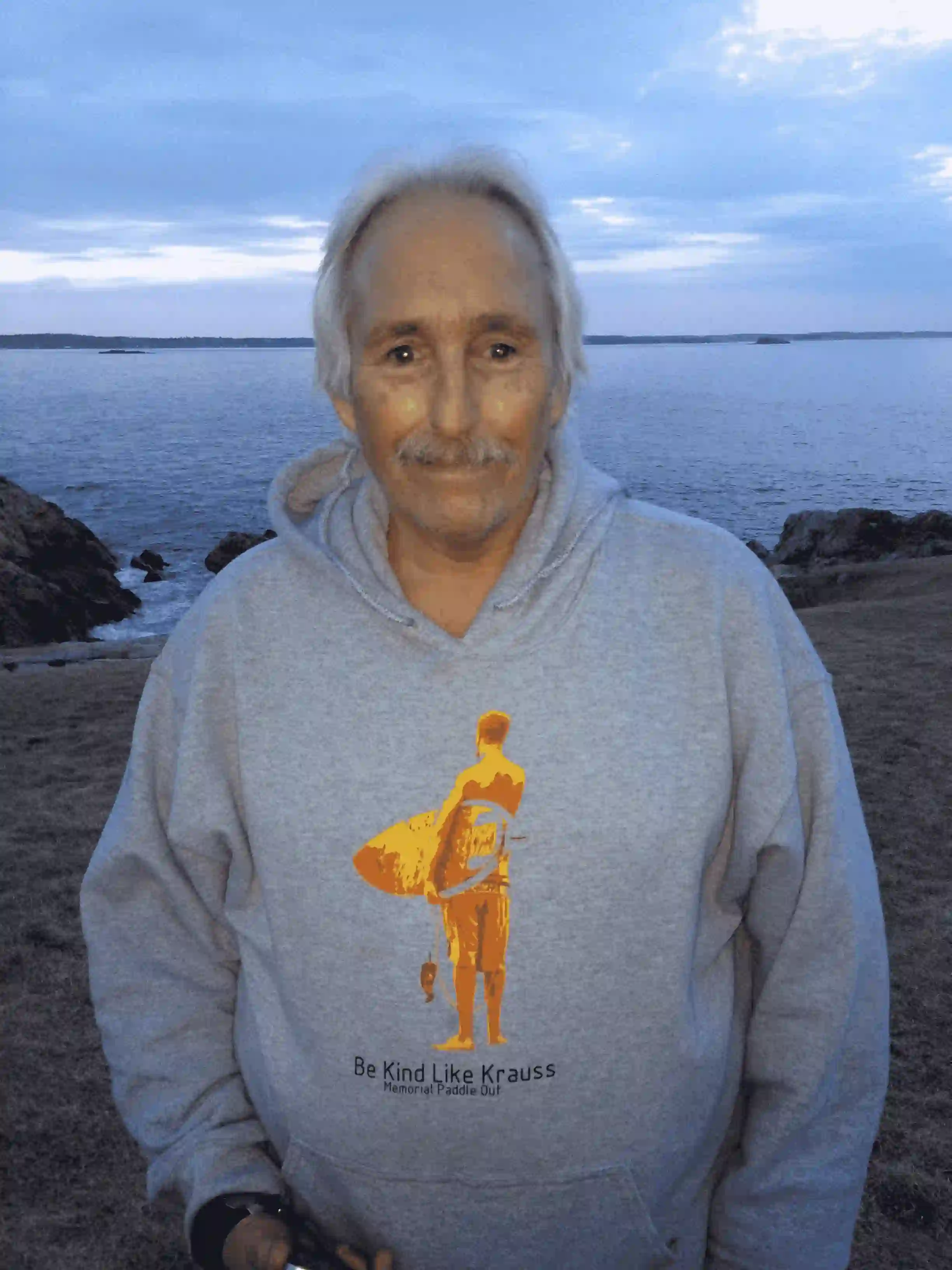
Bob Kraus
Bob’s introduction to world of substance use came as a young man in the 1960s when he learned that dozens of his co-workers on the ocean liner S.S. United States used heroin daily. He was involved with many people who used opioids without using drugs himself. This led him to pursue sociology as his undergraduate major, studying treatments for people who used opioids. He interned at Topic House, a Therapeutic Community in Nassau County, and volunteered at a methadone program at Beth Israel Medical Center. These and other experiences led Bob to conclude that methadone maintenance was the most effective treatment for opioid use disorder. When he learned that Long Beach Hospital was opening the first suburban methadone maintenance clinic in the country, he applied and was hired as their first counselor in 1970, and ultimately became the Director. He later co-founded a new program in Long Beach where he remained for many years. Bob served on the Committee of Medication Assisted Treatment & Advocates, and on the board of directors at COMPA (the Coalition of Medication Assisted Treatment Providers & Advocates) for over 30 years, and remains an active member. Bob was part of the initial group of professionals to become certified as an Alcoholism & Substance Abuse Counselor (CASAC) in New York, and has maintained his credentials. He also became a practitioner of Rational Emotive Therapy. Stop Stigma Now founder Sy Demsky asked Bob to join SSN from the beginning. Bob feels fortunate to have worked in this field for over 55 years, and believes that kindness is an important component of effective treatment of opioid use disorder.
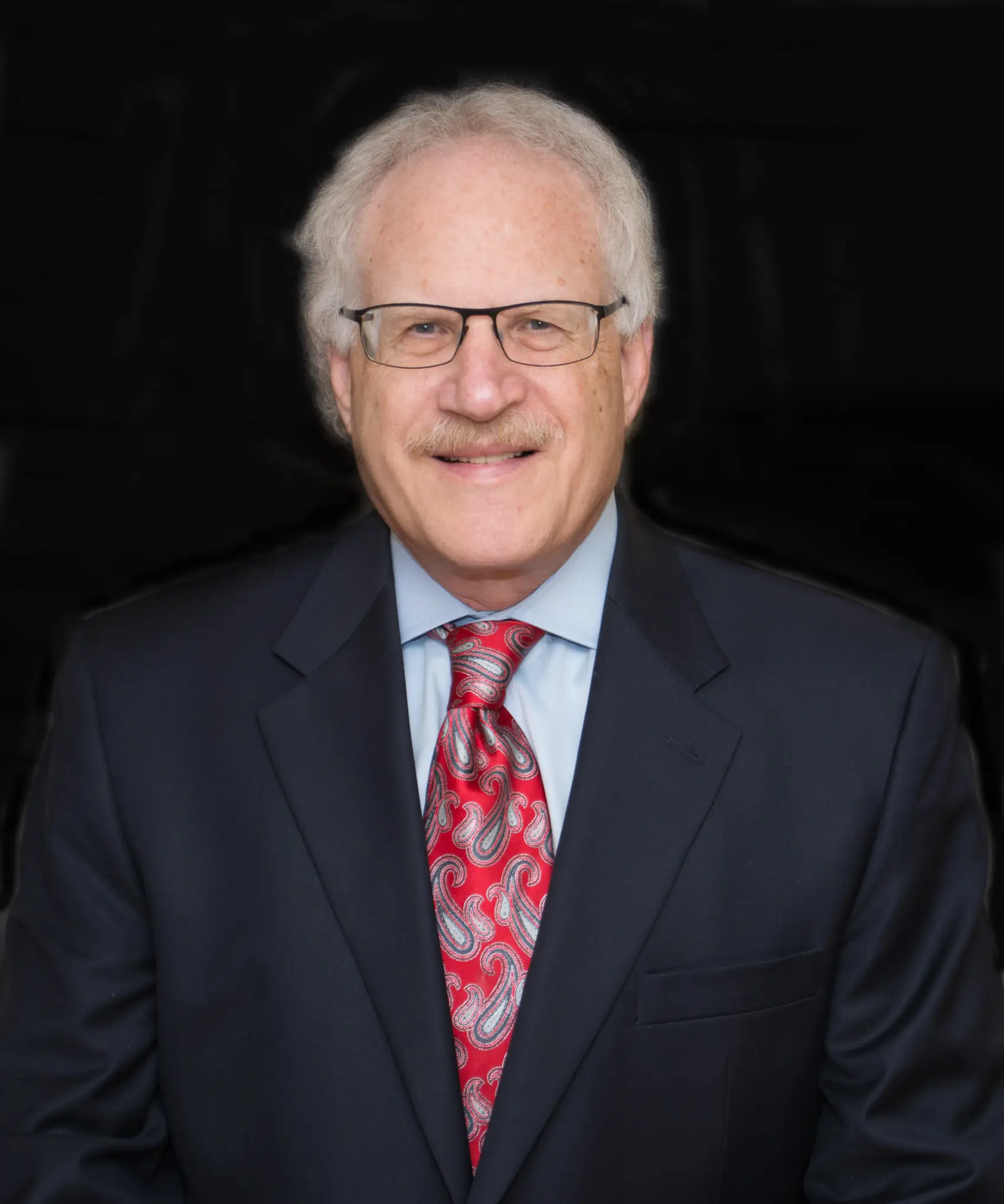
Robert Lubran (Washington DC / Baltimore MD area)
Robert Lubran’s professional career began as the Director of the Jefferson County (OH) Alcohol and Drug Abuse Center in 1973. In 1977 he started his federal career at the Bureau of Health Planning, Department of Health and Human Services, and concluded with retirement in January 2016 after 27 years with the Substance Abuse and Mental Health Services Administration (SAMHSA) where he was the Director of the Division of Pharmacologic Therapies. Since then, he has been an independent consultant on projects addressing substance use disorder prevention, treatment and recovery with a special focus on opioid use disorders. He is the Board President of the Danya Institute in Silver Spring, MD which manages SAMHSA substance use prevention, treatment and recovery training and technical assistance grants in Maryland, Virginia, West Virginia, District of Columbia, Pennsylvania and Delaware. He is a member of the American Society of Addiction Medicine, and the DMV chapter of Alfa Romeo Owners of American. He received a BA from Miami University, Oxford, OH, an MS in Urban Studies from Cleveland State University, Cleveland, OH and an MPA with a concentration in Health Services Administration from Golden Gate University, San Francisco, CA.
John F. Phillips
John Phillips is the Co-Founder of Creative Socio-Medics Corp. (now Netsmart Technologies) the leading patient information company in Behavioral Health and Addictions. Started in 1968 it is one of the oldest software companies in the world. John was responsible for hundreds of information systems projects over the forty years before his retirement, and is listed in the Computer History Museum for his contribution to the software industry.