HOME

Medication for Opioid Use Disorder Saves Lives

30 seconds:  Chelle: Bupe has been the only thing that has worked for me.

1 minute:  Mitchell: It can get you get back on track.

4 minutes:  Pat Williams: All of my heroin using peers are dead but methadone saved my life.

6 minutes: David Zee and Dr. Yngvild Olsen on being treated at an Opioid Treatment Program in Baltimore, MD

We must start offering the most effective treatment for opioid addiction to those who need it.

We must stop withholding our only life-saving treatment: the only treatment that reduces opioid overdose deaths:  medication treatment.

MOST RESIDENTIAL TREATMENT FACILITIES DO NOT ALLOW MAINTENANCE MOUD

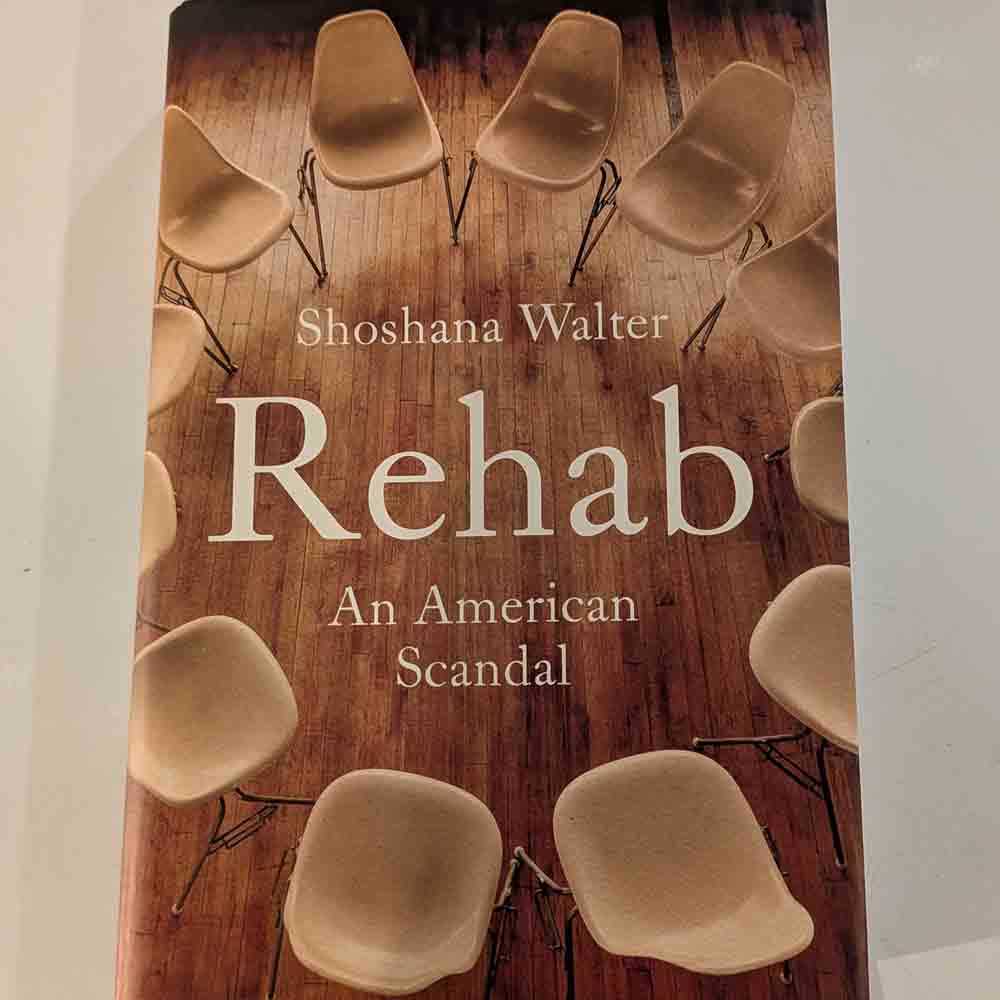
All of the published research, including “secret shopper” studies, clearly shows that about two thirds of U.S. residential treatment programs, on average, do not permit the use of maintenance medications for opioid use disorder (MOUD).  Only a small number of states have enacted regulations prohibiting this type of discriminatory and ineffective treatment in licensed rehab facilities. Many of these regulations were enacted relatively recently, but more  needs to be done. Above is the cover of an eye-opening 2025 book describing the problem.  

Read an annotated bibliography on MOUD access in residential treatment facilities, or a summary of state regulations on rehab facilities. 


WHY IS INEFFECTIVE  TREATMENT THE NORM FOR OPIOID ADDICTION? 

Treatment of opioid use disorder (OUD) can be highly effective, but barriers and prohibitions against medications for OUD (MOUD) are rampant, making ineffective treatment the norm! Treatment without maintenance MOUD is all that most U.S. residential treatment programs (“Rehab”) offer for opioid addiction: psychosocial treatment only, without maintenance medication for OUD. Prohibition of these medications is also common in recovery services.

OUD is the only substance use disorder for which medications are the primary treatment and essential for the great majority of those affected. Treatment with methadone or buprenorphine is the “gold standard” for moderate to severe OUD, combined wherever possible with social support & psychosocial treatment , i.e. counseling & groups. There is no evidence that psychosocial treatments – on their own – work for moderate to severe  OUD. They may be appropriate without medication for mild or recent onset OUD, or for those who are accurately informed of medication options and the risks of going without it, but decline or prefer not to use it.
Read online: Who should consider using MOUD, which medication, and for how long  – also as a 2 pg printable Handout (double sided).
And a readable summary of research on MOUD effectiveness

WE WANT TO SHARE OUR EXPERTISE AND LESSONS-LEARNED WITH YOU.

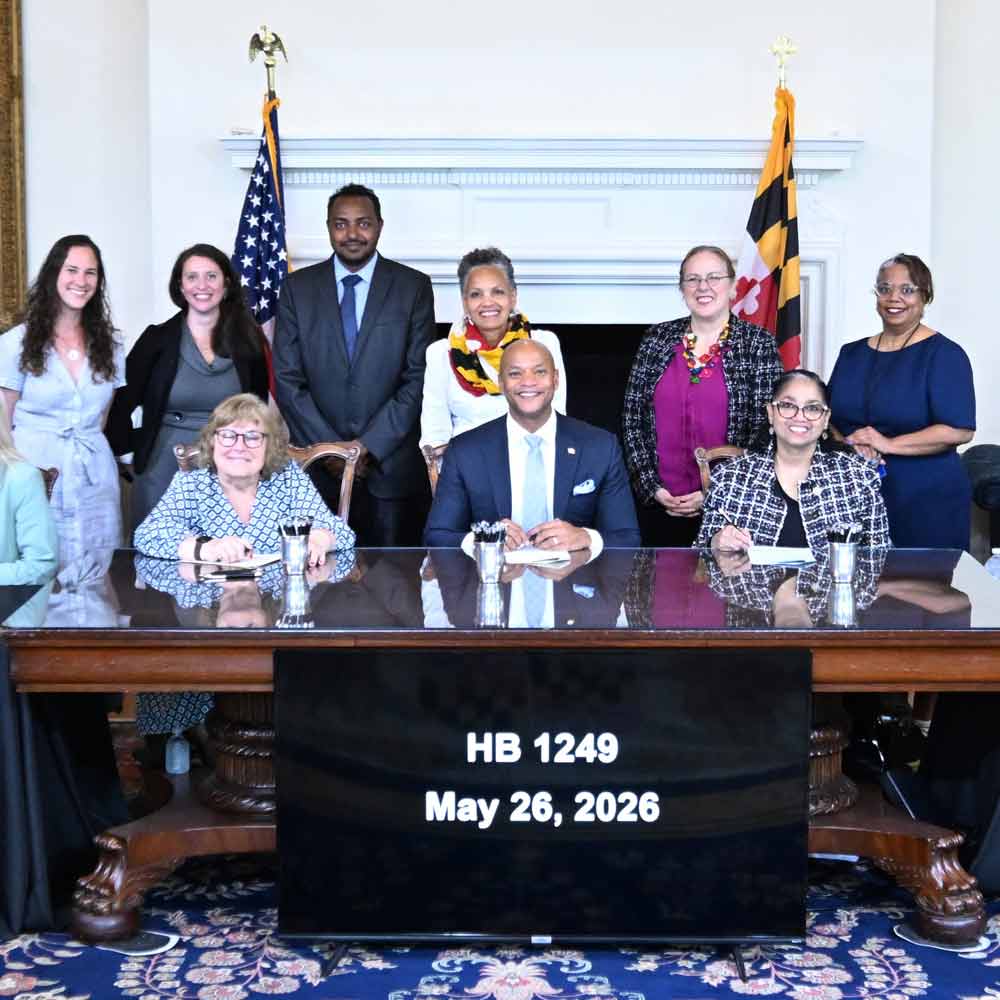
Some of the StopStigmaNow (SSN) Board members are experienced in fighting – and winning – advocacy battles against MOUD stigma. SSN and partners were successful in writing and advocating for a 2026 Maryland  law that prohibits licensed recovery residences in Maryland from limiting access to medications for OUD (HB 1249). Maryland is now the third state to do this in regulations or law. The other two states enacted their regulations just within the last few years, indicating early progress and momentum nationally.  SSN worked with the Maryland-DC Society of Addiction Medicine and many others on this effort. We want to connect with like-minded citizens in other states not only to share resources and lessons-learned, but also to make connections to allies in your state. For example, we have connections with members of your state chapter of the American Society of Addiction Medicine (ASAM) which has chapters in most states.  Above is a photo of Maryland Governor Wes Moore signing the bill into law. (Only a few of the many groups and individual supporters could attend the signing ceremony). Standing on the left is Deb Steinberg, JD, MPH, senior attorney for the Legal Action Center, whose assistance was invaluable. Below is an illustration of how we felt afterward (featuring models, not us), though education and enforcement challenges remain. Another way to connect with Stop Stigma Now, beyond the mailing list or making a donation if you can, is to consider attending an SSN monthly Board Meeting or Community Meeting by contacting us for permission. People can potentially participate in some of our committees as well.

Read about passing the Maryland bill, or  progress made in other states, or resources on MOUD in recovery residences.